


The Livelihoods Carbon Funds
Combining climate change resilience with strong social & economic impact
The Livelihoods Carbon Fund #1
(Launched in 2011)
The Livelihoods Carbon Fund #2
(Launched in 2017)
The Livelihoods Carbon Fund #3
(Launched in 2021)
The Livelihoods Carbon Fund #4 - Objectives
(Launched in 2026)
We help rural communities restore their ecosystems and improve their livelihoods
More than 25% of the world’s population inhabit forest landscapes.1 Yet, the world loses nearly 11 million hectares of forest every year, 2 equivalent to roughly 29 football fields every minute. Rural communities who rely on these ecosystems are often the first to feel the effects of climate change, with the lowest access to the financing and technology needed to adapt.
Livelihoods Carbon Funds (LCF) leverage the carbon economy to finance ecosystem restoration, agroforestry, and rural energy projects that improve food security for rural communities and increase farmers’ incomes.
LCF provide upfront financing to project developers for large-scale project implementation and maintenance over periods of 10 to 20 years. Reducing emissions within their own value chains is a priority for our investors—but even in the most ambitious scenarios, some emissions remain hard to eliminate in the short term. That’s why our investors commit to going further, funding projects that restore critical ecosystems and support the communities most exposed to environmental crises. In return, investors receive carbon credits tied to each project’s verified impact. This innovative model depends on both our investors and project developers’ long-term commitment and dedication to achieving tangible change.
Livelihoods Carbon Fund #1 was launched in 2011 by 10 investors: Crédit Agricole S.A., Danone, dsm-firmenich, Groupe Caisse des Dépôts, Hermès, La Poste, Michelin, SAP, Schneider Electric, and Voyageurs du Monde.
Livelihoods Carbon Fund #2 was created in 2017 by Crédit Agricole, Danone, dsm-firmenich, Hermès, Michelin, SAP, Schneider Electric, and Voyageurs du Monde, enabling them to accelerate their climate action commitments while protecting vulnerable populations. It was joined by Eurofins in 2019.
In 2021, Livelihoods Carbon Fund #3 was launched with 14 investors: Bel Group, Chanel, Danone, DEG Invest, Eurofins, Hermès, L’Occitane, Mars, Mauritius Commercial Bank, McCain Foods, Orange, SAP, Schneider Electric, and Voyageurs du Monde.
Livelihoods Carbon Fund #4 was launched in 2026, alongside 8 of its long-standing investors: Danone, Hermès, Mars, Mauritius Commercial Bank, McCain, SAP, Schneider Electric, and Voyageurs du Monde.
Our Main Focus Areas
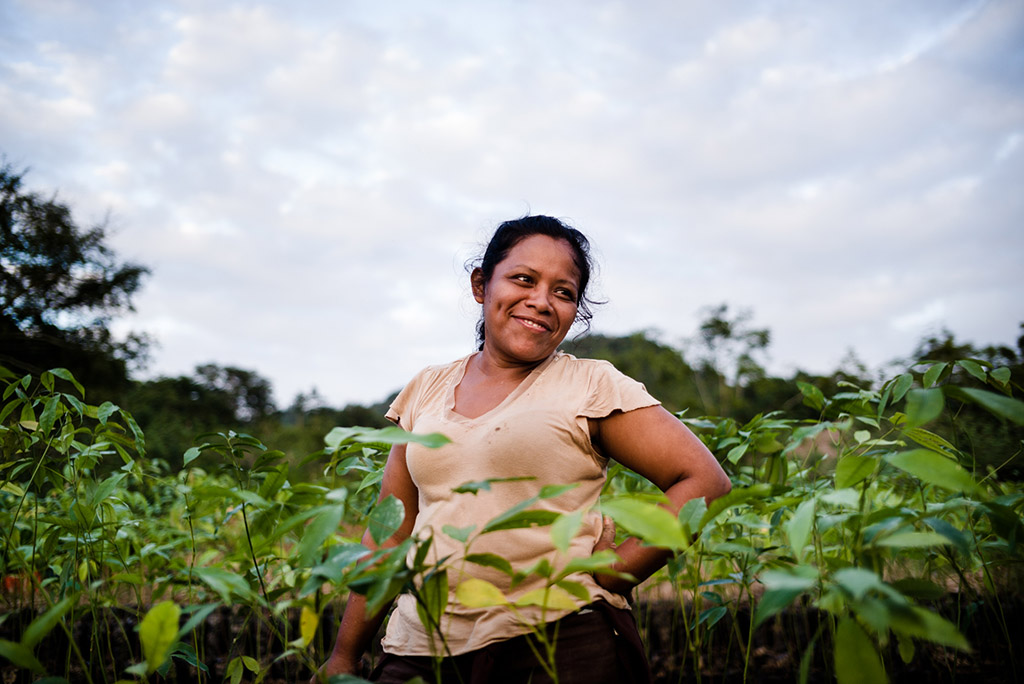
Agroforestry
Agroforestry is the combined planting of trees and crops. Projects supported by the Livelihoods Carbon Funds help empower farmers with this technique, which holds multiple benefits for productivity and biodiversity: trees naturally enhance soil fertility, reducing the need for chemical fertilizers while preventing soil erosion and sequestering huge amounts of CO₂. Through crop diversification, farmers become more resilient to climate hazards and market volatility, and can increase yields without degrading their ecosystem.
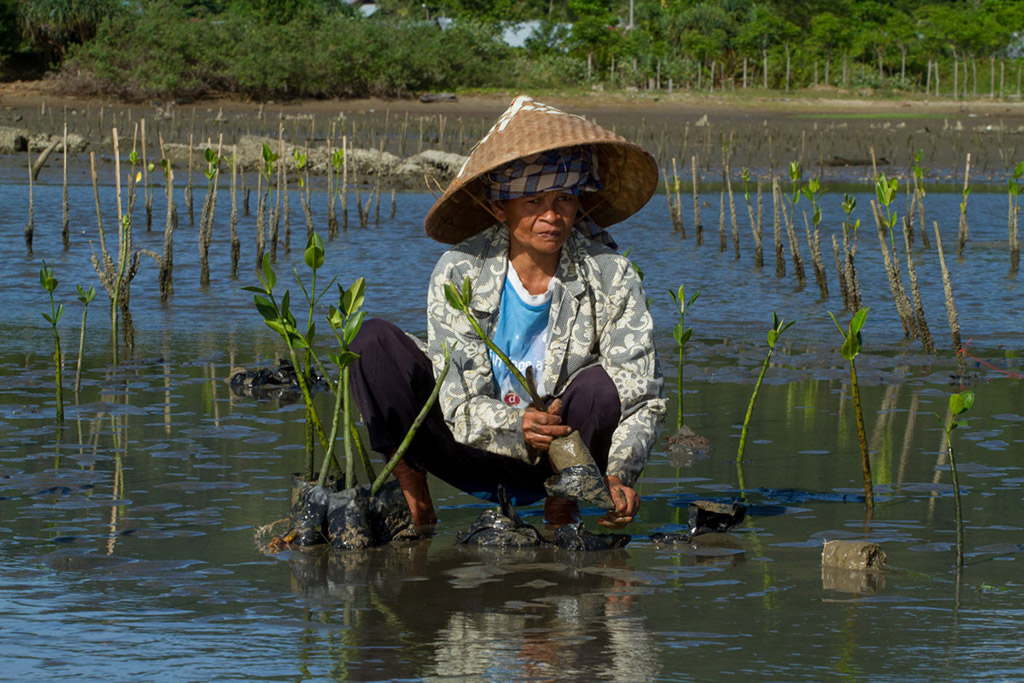
Mangrove restoration
Mangroves are groups of trees and shrubs that grow where sea and land meet. These rich ecosystems are highly effective carbon sinks, house marine life, and protect coastlines from storms. But activities like fuelwood gathering, overfishing, and pollution, among other reasons, are destroying these forests, threatening the rural communities that depend on them. The Livelihoods Carbon Funds help vulnerable communities restore their invaluable mangrove forests.
Rural energy
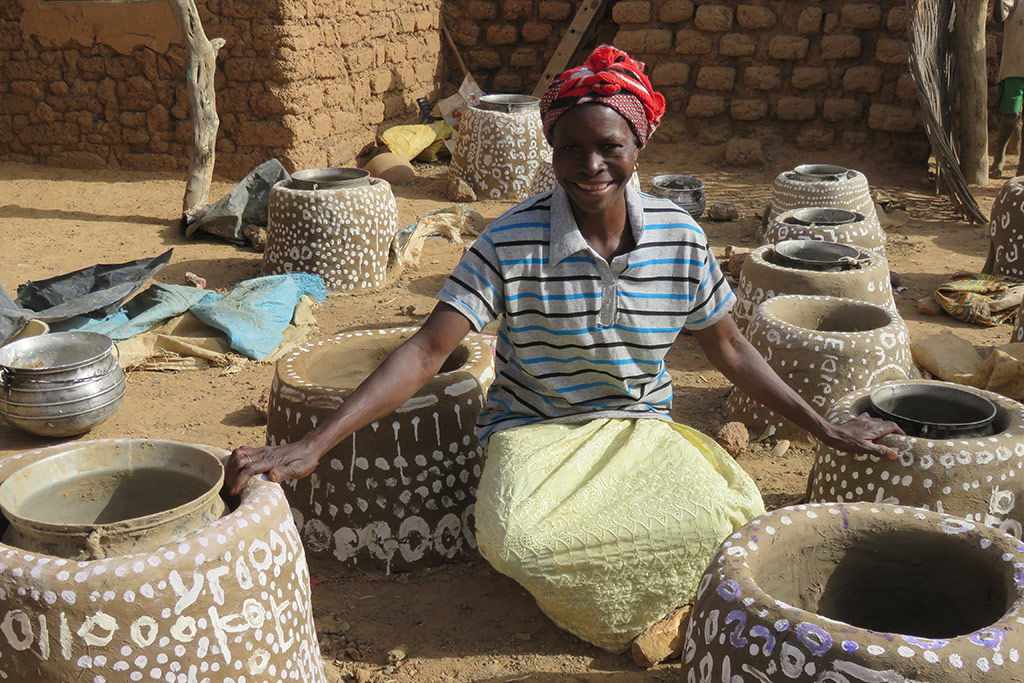
Despite advances in clean cooking solutions, around 2.1 billion people still depend on open fires and traditional cookstoves fueled by wood, kerosene, animal dung, coal, or crop waste. Exposure to the household air pollution they produce was responsible for an estimated 2.9 million deaths globally in 2021, most often harming women and children.3
The fuel-efficient cookstoves distributed by the Livelihoods Carbon Funds decrease wood consumption, thus preserving forests, mitigating reliance on polluting fuels, and minimizing families’ exposure to toxic smoke, enabling them to lead healthier lives.
Our Investors



















*All information is accurate as of October 2026. “People positively impacted” refers to those directly and indirectly benefiting from the projects in each fund.
1 International Institute for Environment and Development, 2026
2 FAO, 2025
3 World Health Organization, 2025