


The phrase “agricultural transition” is everywhere, from policy speeches to corporate sustainability reports, academic journals to farmer cooperatives. It promises farming that is productive, sustainable, equitable and resilient. Yet, as the concept gains traction, a critical question emerges: is this a genuine, systemic transformation, or a set of fragmented pilot projects framed as sustainability?
This is not just theoretical. It affects billions of people: rural communities and farmers struggling with climate change, consumers facing rising food prices and policymakers balancing growth with environmental limits. Recent geopolitical disruptions, including in the West Asia, also highlight the fragility of agricultural systems dependent on global input supply chains such as fertilizers and pesticides.
To answer this question, we must examine real-world examples. This article does just that, drawing on four case studies from France, the Philippines, Madagascar and Ghana, where Livelihoods and its partners have worked since 2017 across a range of ecosystems and crops. These stories reveal both the promise and the challenges of agricultural transition, and what it will take to turn isolated successes into systemic change.
1. Soil regeneration & chemical input reduction: Can we farm without destroying the planet?
“Sols de Bretagne,” a Brittany blueprint
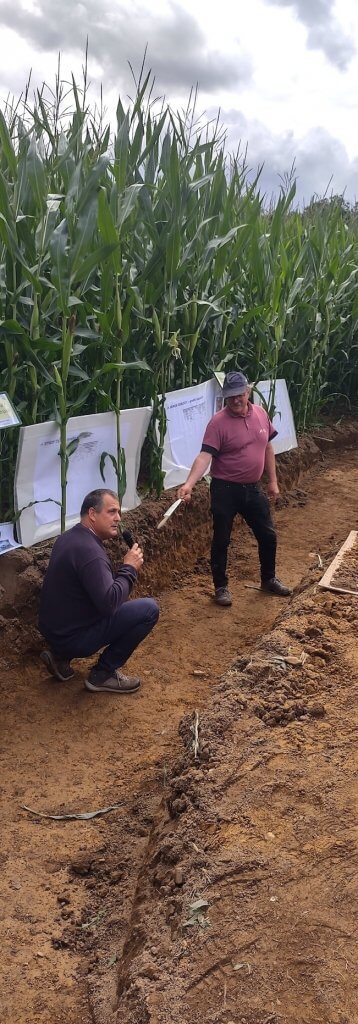
In Brittany, France’s leading agricultural region, the “Sols de Bretagne” project is demonstrating how large-scale soil regeneration can work in practice. Launched in 2021, this 10-year initiative is a partnership between Livelihoods, the Brittany Regional Council, the Chamber of Agriculture of Brittany and local farmer associations. It provides support to nearly 100 farmers through technical assistance, financial incentives and peer learning to restore soil health across 11,000 hectares.
The results, as the project enters its fifth year, are impressive:
- Farmers report 20-40% savings in fieldwork time and fuel costs, thanks to reduced machinery use and more efficient practices.
- 98% of the agricultural land involved has transitioned to no-till farming, reducing soil erosion and improving water retention.
- 97% of the land now benefits from permanent cover crops, which protect soil structure and enhance biodiversity.
- Chemical input use has dropped by 10-20%, including a significant reduction in glyphosate dependency.
Soil Health: A Simple Explanation
What is degraded soil?
Degraded soil has lost its natural fertility, structure and/or biological activity, due to excessive mechanization, chemical overuse, or erosion. It struggles to retain water, nutrients, or support plant life, leading to lower yields and environmental harm.
Why regenerate it?
Healthy soil is the foundation of resilient farms. It increases productivity, stores carbon, supports biodiversity and helps reduce greenhouse gases in the atmosphere while improving water quality, benefiting both farmers and the planet.
How are Brittany farmers doing it?
– No-till farming: Reducing or eliminating plowing to protect soil structure and support natural processes.
– Permanent soil cover: Keeping fields planted year-round to build organic matter and protect the soil.
– Diverse crop rotations: Using varied crops over space & time to improve soil structure, water retention and reduce pests & disease pressure.
– Reduced chemicals: Cutting back on synthetic inputs to let natural processes rebuild fertility.
Photo: Jean-Philippe Turlin, Chamber of Agriculture of Brittany’s adviser in Finistère, demonstrating a soil profile. Credit: Livelihoods / Nicolas Fabre
Yet, the transition is not without significant challenges. As the United Nations Environment Programme (UNEP) warns, “Soil degradation impacts food security, water systems, biodiversity, and climate resilience.” Globally, a third of all soil is already degraded, threatening the food supply for billions. The Brittany farmers prove that change is possible, but only with the right support and a willingness to rethink what productivity really means.
“I stopped ploughing in 2002, moved to direct seeding in 2009, and gradually reduced synthetic inputs as I began to see soil differently, through minerals and microbiology. After 20 years working the land, you realize how small we are. We once saw soil as a substrate, but now we understand it as a living ecosystem. The transition is not just technical, it is deeply cultural, calling us to rethink our relationship with nature.”
– Nicolas Hallégouët, farmer engaged in the “Sols de Bretagne” project
 Read more on the “Sols de Bretagne” project.
Why this matters globally
The health of our soil is directly tied to the health of our planet. Healthy soil means stable crop yields, which are essential for food security. Without it, food shortages and price spikes become more likely, hitting the world’s most vulnerable the hardest. Soil also plays a critical role in climate regulation. Degraded soil releases stored carbon, accelerating global warming. Restoring it could help slow climate change, buying us precious time to transition to a low-carbon economy.
Water cycles, too, depend on healthy soil. Poor soil can’t hold water, worsening droughts and floods. In parts of Asia, where monsoon systems shape agriculture and millions depend directly on rainfall patterns, soil degradation can quickly turn climate variability into crisis. Soil regeneration could be a lifeline. The message is clear: soil health is not just a farmer’s concern. It’s a global imperative.
2. Farmer engagement & value chain resilience: Who really benefits from “sustainable” farming?
The Philippines’ coconut challenge
In the Philippines, coconut farmers are among the poorest in the country, despite the global demand for coconut products. This paradox is at the heart of the sustainability challenge: how can farming be both environmentally sound and economically viable for those who depend on it?
Livelihoods’ sourcing initiative in Mindanao (2017-2028), in the southern Philippines, is tackling this by replanting aging trees with high-yield varieties across close to 14,700 hectares, introducing intercropping. In parallel, it secures long-term partnerships with off-takers like Mars, Danone as well as locally established manufacturer and exporter of coconut-based products Franklin Baker.
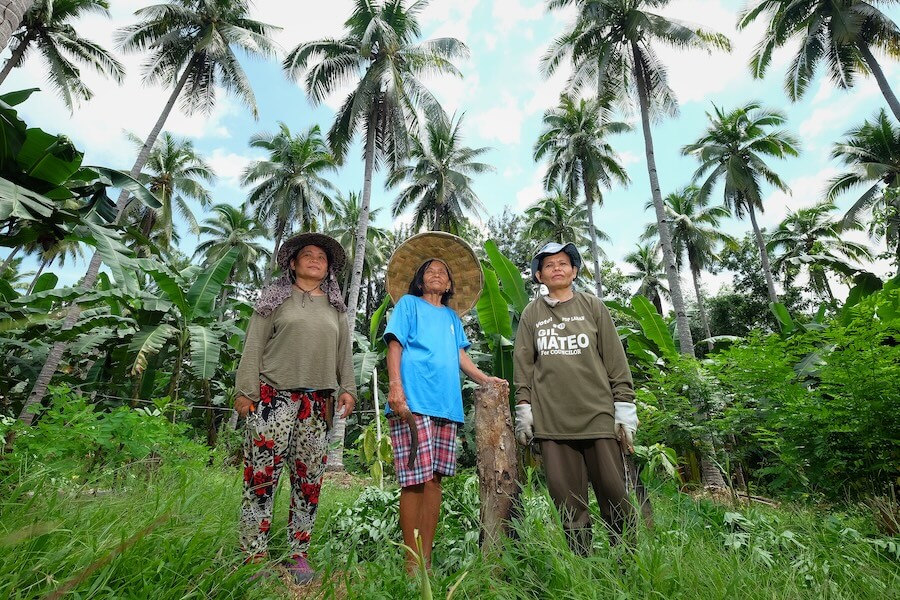
Among the 5,700 farmers participating in the project, incomes have more than doubled in some cases, according to the 2025 reporting campaign, and production volumes have stabilized. But sustainability depends on more than just better farming practices.

“The key success factors are trust, inclusion and shared value. Before the project, Franklin Baker relied on intermediaries and had no direct contact with the coconut farmers. Today, producers have direct market access, with higher and more regular incomes, while Franklin Baker benefit from a more secure supply chain, improved traceability, stronger producer loyalty and better product quality. It shows that resilience and viability go hand in hand.”
– Emmanuel Quisol, Livelihoods Project Manager
Read more on the Coconut project.
The bigger picture
The Philippines is not alone in facing these challenges. In emerging economies, smallholder farmers, who produce a third of the world’s food, struggle with similar issues. Poverty traps keep them in cycles of debt, while a handful of big buyers control prices, leaving farmers vulnerable. Climate risks add another layer of uncertainty. Coconut trees, for example, take years to mature. If a typhoon hits, farmers with no safety net lose everything.
Yet, there are signs of hope. Cooperative models, across Africa for example, have shown that farmers can gain more control over their livelihoods when they organize collectively. By pooling resources and negotiating as a unified group, smallholders have accessed better markets, secured fairer prices, and improved both their incomes and sustainability practices. These examples prove that resilience is possible, but it requires a fundamental shift in how value chains are structured.
3. Collective action and generational renewal: Can smallholder-led projects build inclusive, lasting systems?
Madagascar’s vanilla model
In Madagascar, the Livelihoods’ Vanilla project (2017-2027) has helped bring together over 3,000 smallholder farmers into Tambatra, a farmer-owned social business meaning “unity” in Malagasy, with strong participation from women and young adults.
Working across a biodiversity-rich landscape on the remote East Coast, outside the traditional Northeast Sava vanilla region, the project provides agroforestry training and supports diversification across 430 hectares, along with fair pricing and secured market agreements. It benefits around 12,500 people in farming communities and also supports the conservation of nearly 3,000 hectares, including the protected coastal forest of Pointe à Larrée.
This collective model has transformed how vanilla is produced and traded: farmers now operate under shared governance for green vanilla collection, with local authority support, and have seen their incomes rise by 15-30% since 2022. Today, the vanilla is fully traceable, with most production certified organic and cultivated through sustainable agroforestry systems that combine productivity with ecosystem restoration.
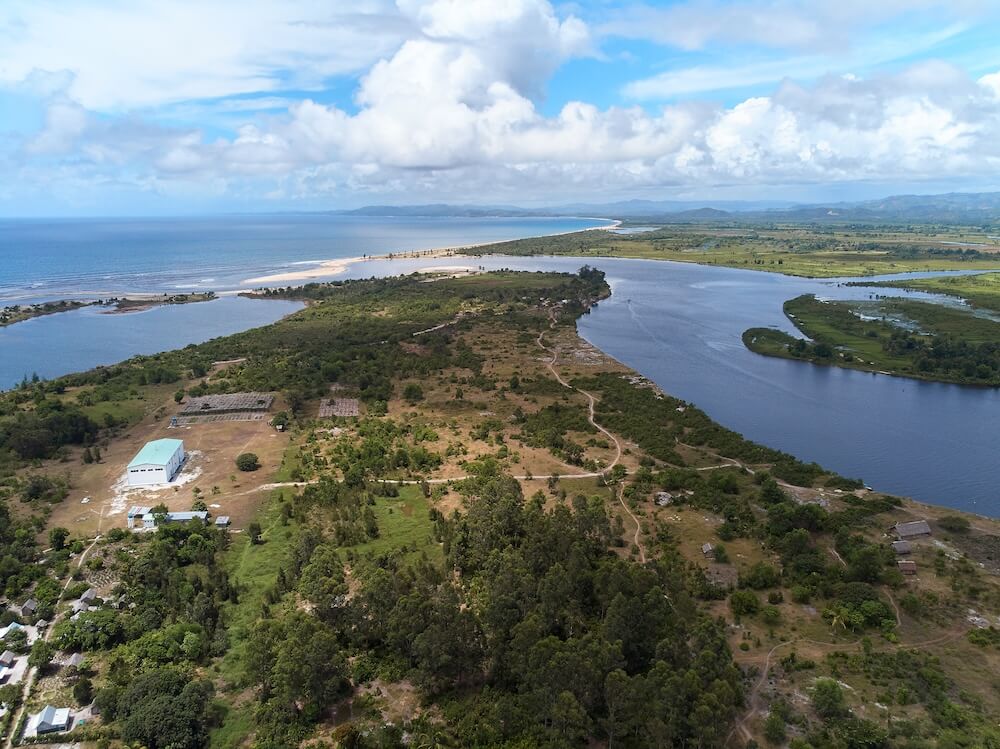
Beyond farming, Tambatra is now a driver of local development, creating jobs, strengthening local revenues, and building a more resilient export value chain. The results show how long-term partnerships and collective organization can turn a fragile sector into a more stable and inclusive system for both people and nature.

“Tambatra is more than a cooperative, it’s proof that when farmers unite, we can rewrite the rules. By combining traditional knowledge with modern practices, we’ve turned vanilla from a fragile crop into a more stable livelihood. Our success isn’t just about higher income, it’s about dignity, conservation and a future where our children choose to stay and farm.”
– Aina Tafita Rasoamanana, Tambatra CEO
Read more on the Vanilla project.
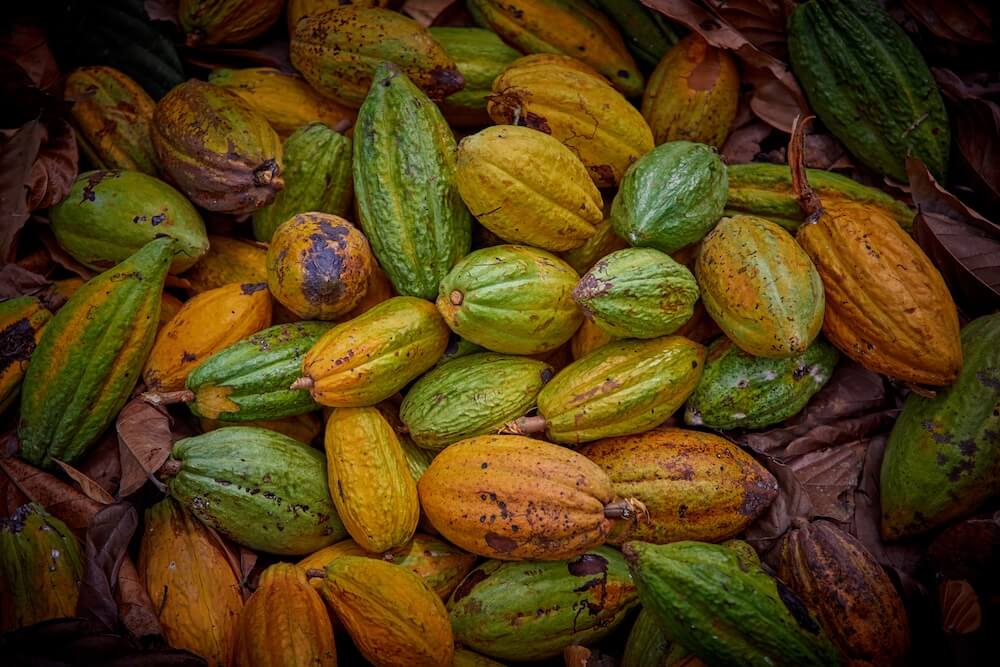
Ghana’s cocoa crisis
In Ghana, the cocoa sector is home to over 800,000 farming households and is a cornerstone of the national economy. It faces a structural demographic challenge, with many farmers now over 50 and younger generations increasingly leaving agriculture due to limited land access, low perceived returns, and high entry barriers. Combined with declining soil fertility, ageing trees, climate stress and crop disease, this creates a risk not only to livelihoods but to long-term cocoa supply stability.
The Livelihoods’ Cocoa project (2022-2025), in partnership with Mars, was designed to tackle these challenges through a “test and learn” approach with just over 1,000 smallholder farmers in the Bono and Ahafo regions.
Rather than standalone training, it built a full support ecosystem making cocoa farming more attractive and viable for younger generations. Embedded agronomists provided hands-on coaching, farmers were organized into groups for peer learning, and access to affordable finance enabled investment in replanting and improved practices. Women farmers, around 30% of participants, were also explicitly supported, including through expanded access to credit.
Early results showed a clear shift in both productivity and livelihoods: adoption of good agricultural practices has risen from 27% to 72%, yields have increased by around 30% and the share of households reaching a decent living income has doubled.
Importantly, younger agronomists working directly with farmers and improved economic returns helped reshape perceptions of cocoa farming from a declining inheritance into a more structured, viable profession. The project did not just train youth, it integrated them into cooperative governance, giving them a real stake in the sector’s future.
This experience demonstrates that addressing the ageing farmer crisis is not only about attracting youth, but about rebuilding the entire farming system, combining finance, services, knowledge and incentives into a coherent model that makes agriculture both productive and future-oriented.
Read more on the Cocoa project.
Global implications
Ghana’s and Madagascar’s experiences reflect a broader global pattern in smallholder agriculture, where outcomes are shaped as much by system organization as by farming practices.
Madagascar illustrates how multi-actor, long-term coordination can stabilize a volatile export crop while linking production to markets and local development. Ghana highlights an additional challenge: an ageing farmer population, where improving productivity and viability also depends on strengthening support systems that can make farming more attractive and workable across generations.
Taken together, these cases point to a common constraint across regions: fragmented value chains and limited farmer bargaining power, where stronger organization, services and market access are associated with greater stability in production and incomes.
Conclusion: Is “transition” just a buzzword?
Agricultural transition is often presented as a straightforward path to sustainability. In reality, it is a complex process shaped by trade-offs, power dynamics and unequal access to resources.
Across Brittany, the Philippines, Madagascar and Ghana, the same question emerges: who controls production, and who bears the risks of change? Without addressing these structural issues, “transition” risks remaining a buzzword rather than a real transformation.
Climate change makes this challenge even more urgent, increasing volatility and exposing the fragility of agricultural systems worldwide. Transition cannot rely on isolated solutions or one-size-fits-all models. It requires systems that are coherent, resilient and grounded in local realities.
Over the past 15 years, Livelihoods has worked with field partners to navigate key barriers to agricultural transition: climate shocks, rural poverty and financial risks limiting the adoption of regenerative practices. These are compounded by aging farmers, weak generational renewal, rigid regulatory and certification frameworks, volatile markets, fragile contexts, and limited access to remote communities.
This experience has also shown us that lasting change depends on three enabling conditions: farmer-first approaches that place smallholders at the center of solutions; collective action that aligns farmers, cooperatives, private actors and institutions around shared value; and pragmatic, scalable models that work on the ground and can grow sustainably.
By 2050, the world must feed 10 billion people without further degrading the ecosystems that sustain us. Agricultural transition offers a path forward — but only if we choose to build it together.